Etiquette Rules for Using Chips in Live Casinos
- fredasmith90881
- Apr 30
- 4 min read
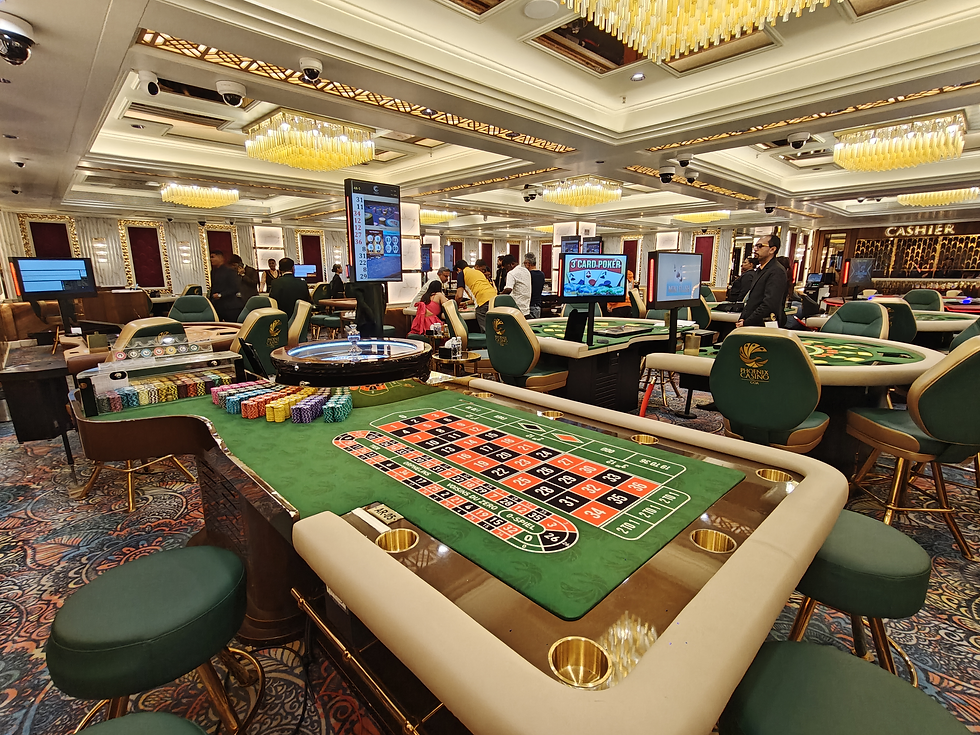
Casino etiquette is an important part of the live gaming experience, and proper chip handling is at the center of it. Chips are not just betting tools, they are part of a structured system that ensures fairness, clarity, and smooth gameplay. For beginners, knowing how to handle chips correctly helps avoid mistakes, keeps the game moving efficiently, and creates a better experience for everyone at the table.
Why Chip Etiquette Matters
In live casinos, every action at the table is observed by dealers and surveillance systems. Chips represent money, so how they are handled must be clear and consistent.
Good etiquette prevents misunderstandings about bets, avoids delays in gameplay, and ensures that all players and dealers can follow the action without confusion. Even small mistakes with chips can disrupt the flow of a game or lead to disputes.
Placing Chips Correctly on the Table
Players should always place chips clearly within the designated betting area.
When buying chips, cash should be placed on the table rather than handed directly to the dealer. This allows the transaction to be visible and recorded. Once chips are received, bets should be placed in a neat and visible way so the dealer can easily identify the amount.
Throwing chips onto the table or placing them outside marked areas can create confusion and may lead to incorrect bets being registered.
Do Not Touch Chips After the Round Starts
One of the most important rules is to avoid touching chips once the game has begun.
After cards are dealt or a roulette wheel is spinning, players should not adjust, add, or remove chips unless the rules of the game specifically allow it. This ensures fairness and prevents disputes about whether a bet was placed before or after the outcome was known.
If players need to make changes, they should wait until the next round.
Handling Chips During Payouts
When the dealer is paying out winnings, players should not reach for their chips immediately.
The dealer completes all payouts in a specific order to maintain accuracy. Interrupting this process can slow down the game and increase the chance of errors.
Once the dealer has finished and clearly pushed the chips toward the player, it is appropriate to collect them.
Stacking and Organizing Chips Properly
Keeping chips organized is considered good etiquette.
Players should stack chips by denomination so that both they and the dealer can quickly recognize values. Neat stacks make it easier to place bets and reduce the chances of mistakes.
Messy or mixed stacks can lead to confusion, especially in fast-paced games where quick decisions are required.
Respecting Table Limits and Minimum Bets
Each table has minimum and maximum betting limits, and players must use chips accordingly.
Placing bets below the minimum or above the maximum is not allowed. Players should check table limits before placing chips to avoid having bets rejected or adjusted by the dealer.
Understanding these limits ensures that gameplay remains consistent for all participants.
Avoiding Late Bets
Late betting is considered poor etiquette and is usually not allowed.
In games like roulette, once the dealer announces that betting is closed, players must not place additional chips on the table. Attempting to do so can disrupt the game and may result in the bet being removed.
Paying attention to dealer signals helps players know when it is appropriate to place bets.
Using Chips Respectfully
Chips should be handled with care and respect at all times.
They should not be tossed, hidden, or handled in a way that makes it difficult for others to see their value. Chips should remain visible on the table so the dealer can monitor all bets clearly.
Proper handling shows respect for the game and for other players at the table.
Communicating Clearly with the Dealer
If a player wants to place a specific type of bet or change chip values, clear communication is important.
Players can politely inform the dealer about their intended bet or ask for assistance if unsure. Dealers are trained to help and will guide players on proper chip placement and usage.
Clear communication prevents misunderstandings and keeps the game running smoothly.
Respecting Other Players’ Chips
Players should never touch or interfere with another player’s chips.
Each player is responsible for their own stack, and interfering with someone else’s chips is considered inappropriate. Respecting personal space at the table helps maintain a comfortable environment for everyone.
Converting Chips After the Game
At the end of a session, players should exchange chips according to casino procedures.
Standard chips can usually be taken to the cashier for conversion into cash. Special chips, such as those used in roulette, may need to be exchanged at the table before leaving.
Following proper exchange procedures ensures that chips are handled correctly and avoids unnecessary delays.
Practical Tips for Beginners
Beginners can improve their experience by observing how experienced players handle chips.
Watching table flow, placing bets calmly, and following dealer instructions can make learning easier. Starting with smaller bets also allows beginners to focus on understanding etiquette without pressure.
If unsure about any rule, asking the dealer politely is always acceptable.
Final Insight
Chip etiquette is a key part of live casino gameplay. It ensures that bets are clear, gameplay runs smoothly, and all players are treated fairly.
For beginners, following simple rules such as placing chips correctly, avoiding late bets, and respecting the dealer’s process makes a significant difference. Once these habits are learned, handling chips becomes a natural and effortless part of the casino experience.


Comments